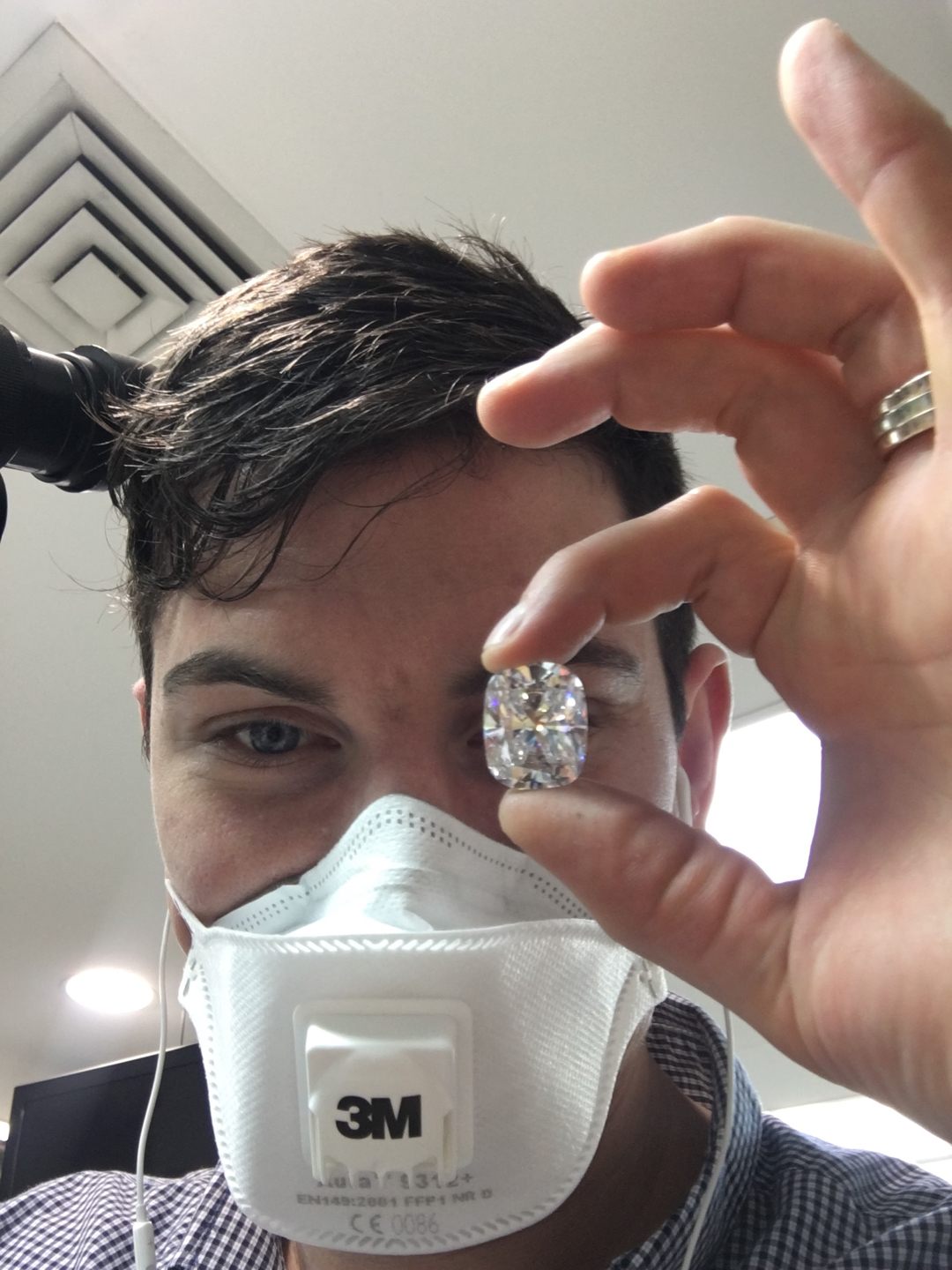
When I started learning diamond setting, the advice I got on tools was almost universally bad. Either it came from salespeople trying to shift stock, or from hobbyists who'd never worked professionally. The result? A bench cluttered with things I didn't need and a notable absence of the things I did.
This guide fixes that. It's the list I wish I'd had when I started. Everything here is genuinely useful. Some of it is essential from day one. Some you'll add as your skills develop. None of it is here because someone paid me to mention it.
The Foundation: What You Cannot Set Without
Before anything else, you need a solid bench setup. Setting is precision work. If your work moves, your setting suffers. A quality bench pin — properly shaped and secured — is non-negotiable. Everything else rests on this.
Gravers. The most important tools in your kit and the ones most beginners get completely wrong. You do not need thirty gravers. You need four to six, properly shaped for the work you're doing. A square graver, a flat graver, a bead-raising graver, and a knife graver will take you through the majority of setting types. Buy quality steel. Learn to sharpen them correctly. The graver is only as good as its edge.
A gravermax or flex shaft. Power tools have transformed setting, particularly for micro and pavé work. You don't need one on day one, but you will need one eventually. The GraverMax and GraverSmith from GRS are industry standards. Alternatively, a quality flex shaft setup works well for many applications.
The single most common mistake I see in beginners' tool kits: too many gravers, all of them too dull, with no understanding of why the angles matter.
The Setting Block
A quality ball vise or setting block is essential for holding your work securely at any angle. For learning, a basic shellac/dopping stick setup works fine. For professional work, you'll want a ball vise. The Foredom and GRS ball vises are both excellent.
Don't underestimate this. Unstable work is dangerous work. A piece that moves while you're setting will damage the stone, ruin your setting, and in the worst case, send a graver into your hand.
Magnification
Proper magnification is not optional. Many beginners resist this because glasses or a loupe feel awkward. Get over it quickly. You cannot see the details that matter without magnification — not in micro setting, not in pavé, not in any precision work.
A 10x loupe is the minimum. For micro work, you'll want optivisors (head-mounted magnifiers) or a binocular microscope for the finest settings. The investment in decent magnification pays back immediately in better work and fewer mistakes.
Measuring and Checking
A set of diamond gauges and a pair of fine-tipped tweezers for handling stones are essential from day one. A good pair of dividers for layout work. A digital calliper for measuring seats and checking stone fit. None of these need to be expensive. They just need to work.
What You Don't Need (Yet)
Specialised tools for specific setting styles are wonderful — once you're actually doing that setting style. Don't buy a full suite of micro-setting gravers before you've learned basic bezel setting. Don't invest in a pneumatic hammer before you know whether you'll use one. Start with the foundation, learn the fundamentals, then layer in the specialised kit as the work demands it.
Sharpening: The Skill Nobody Talks About Enough
Every tool in your kit is only as good as its edge. Sharpening is a skill in itself — one that most setters learn too late and too poorly. Invest time in learning how to sharpen your gravers correctly. The angles matter. The finish on the heel matters. A badly sharpened graver is worse than a dull one because it makes you think the problem is technique when it's actually preparation.
Download my free Fishtail Graver Sharpening Cheat Sheet from the Free Resources page — it covers the angles and common mistakes in detail.
Where to Buy
For gravers and basic tools: Otto Frei, Rio Grande, and Cooksongold are all reliable suppliers. For power tools and ball vises: GRS is the gold standard for setting tools specifically. Foredom makes excellent flex shafts. Don't buy the cheapest option on Amazon — quality matters here and the difference between a good graver and a bad one is felt immediately.
The full list of my personal recommendations — every tool I use at my bench, with notes on why — is available as a free download on the Free Resources page.